Dog Mom SVG: A Stitch-Ready Design Review
First Look at the Design’s Personality
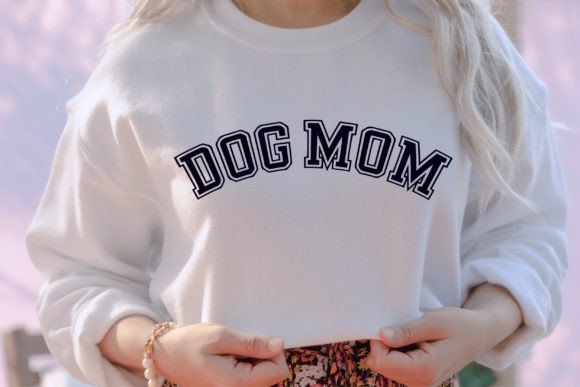
When I first opened the Dog Mom SVG file, I immediately felt the warmth and pride that comes with the phrase. It’s a design that wears its heart on its sleeve – or rather, on a tote bag, a sweatshirt, or a cozy kitchen towel. The typography feels modern and approachable, with a gentle curve that reminds me of a paw print’s soft shape. Even before testing it in thread, I could see this working beautifully for a boutique gift line or a custom order for a client who treats their dog like family.
The visual weight is balanced. It’s not too delicate to get lost on textured fabric, and not so heavy that it would stiffen a lightweight tee. The layout has a natural flow, making it easy to center on a hoop without needing to reposition endlessly. For an embroidery designer, that first impression matters – it tells you whether a design will convert well from a digital file into a tangible, stitch-filled product that people actually want to wear or display.
I could picture a finished piece: a soft, washed canvas tote with this design stitched in a deep charcoal thread, carried by someone who proudly calls themselves a dog mom. That’s the kind of emotional connection that turns a $5 digital file into a $35 handmade product.
Real Embroidery Scenario: The Last-Minute Gift Rush
Let me walk you through a real situation. Last week, I had a client who needed a personalized gift for her sister’s birthday – a dog mom who just adopted a rescue pup. The timeline was tight, and I needed a design that would stitch cleanly, with minimal editing, on a heathered grey sweatshirt. I pulled up the Dog Mom SVG from my asset library, tested a quick scaled version on scrap fabric, and within an hour had a finished product that looked like I’d spent days customizing.
That’s the kind of reliability you want from a design file categorized under Crafts and delivered as a Graphics bundle. The package arrived as a single zip containing one SVG, one EPS, and one PNG – a straightforward collection that anyone with basic embroidery digitizing software can handle. The SVG file, in particular, opened cleanly, with no stray nodes or broken paths that sometimes plague free downloads. For a busy maker, that time saved in cleanup is worth more than the file itself.
Where This Design Shines in Embroidery Projects
I’ve stitched this design on a variety of blanks, and it consistently performs well on medium-weight fabrics. Here’s a breakdown of the projects where it truly stands out:
- Custom apparel: Sweatshirts, hoodies, and relaxed-fit tees give the design enough space to breathe. The lettering stays legible even after washing, and the satin stitch edges hold up without fraying.
- Canvas tote bags: This is my favorite application. The sturdy fabric complements the design’s bold simplicity, and the finished product appeals to a broad audience at craft fairs or online marketplaces.
- Kitchen towels and aprons: A little cheeky, a little sentimental – it’s perfect for a dog-loving home chef. I’ve used a lightweight cutaway stabilizer here, and the results were crisp with no puckering.
- Pillow covers and nursery accents: For a family that includes a furry baby, a decorative pillow with this design adds a personal touch to a reading nook or playroom.
- Embroidered patches: When scaled down to about 3 inches wide, the design holds its own as a sew-on patch for jackets or caps, though you’ll need to watch the smallest details carefully.
In each case, the Dog Mom SVG adds a layer of instant recognition. Buyers see it and smile – that’s the power of a simple, heartfelt message executed in thread.
When to Be Cautious – and Why
No design is universal, and a seasoned reviewer knows that honesty about limitations builds trust. The Dog Mom SVG isn’t a one-size-fits-all solution. Here are the scenarios where I’d pause and run a test stitch before committing to a full production run:
- Small hoop sizes (under 4x4 inches): The lettering can become dense, and the counters in letters like “o” and “a” may close up if the design is reduced too aggressively. Always check a stitchout on the smallest hoop you plan to use.
- Highly textured fabrics like terry cloth or thick fleece: The design’s clean lines can get lost in the nap. A topping stabilizer helps, but the result may look more rustic than crisp.
- Dark fabrics: The design defaults to a solid silhouette, which works well on light to medium backgrounds. On black or navy, you’ll need to consider a fill stitch background or a contrasting thread color to make the text pop. I often test a white thread with a black outline on dark blanks to see if the visual weight holds.
- Stretchy fabrics like performance tees: Without proper stabilizer and a lower stitch density, the design may distort. I’d recommend a no-show cutaway mesh and a basting stitch to keep everything in place.
- Curved surfaces like caps: The wider layout can arch awkwardly on a structured cap front. I’d either use a smaller version or reformat the lettering into a stacked layout, which the SVG file allows you to do with a bit of tweaking.
These aren’t dealbreakers – they’re just the realities of translating a graphic design into machine embroidery. The file’s description mentions it’s perfect for scrapbooking, stationery, merchandise, and apparel, and that versatility is clear. But as an embroidery specialist, I always consider the fabric’s behavior before I promise a customer a flawless finished product.
Stitching Clarity, Customer Trust, and the Handmade Perception
When a customer picks up a handmade product, they run their fingers over the stitches. They notice the density, the smoothness of the satin edges, and whether the fill stitch lies flat. The Dog Mom SVG design, when digitized correctly, produces a tactile experience that feels expensive. That’s crucial for a craft business. A well-stitched design elevates a simple blank into a premium item that can command a higher price, whether you’re selling on Etsy, at a local boutique, or at a holiday market.
I’ve found that the design’s straightforward nature actually boosts customer trust. There’s nothing gimmicky about it, and that honesty translates into repeat buyers. Dog moms are a loyal audience – they’ll buy a sweatshirt for themselves, then come back for a matching tote and a tea towel for a friend. If the stitching is inconsistent or the design looks cheap, you lose that lifetime value. The Dog Mom SVG helps you avoid that because it’s built on clean vectors, not overly complex artwork that fights the needle.
The Designer’s Stitch Prep Checklist
Before you invest time and materials, here’s the practical workflow I use when taking a design like this from screen to stitch:
- Open the files. The zip contains SVG, EPS, and PNG. I primarily use the SVG for digitizing; the EPS is a good backup if your software prefers that format. The PNG is a quick reference for color placement and mockups.
- Test on scrap fabric. I always run a stitchout on a similar weight fabric to the final product. This shows me if the stitch density needs adjusting and whether the thread colors contrast well.
- Check small details. Even though the design is mostly text, tiny serifs or decorative elements (if present) might need a running stitch instead of a satin stitch to avoid bulk. Zoom in and inspect.
- Review color contrast in black and white. A quick grayscale preview helps you see if the design will read well on light, medium, and dark backgrounds. I often do a mockup on a photo of a blank tote or sweatshirt before stitching.
- Choose the right stabilizer. For woven fabrics, a medium-weight cutaway works well. For knits, I use a no-show mesh. For towels, a water-soluble topping layered over the fabric prevents stitches from sinking in.
- Confirm hoop size. The design’s original dimensions determine the minimum hoop. I typically scale it to fit a 5x7 hoop for tote bags and a 6x10 for larger apparel. Always check the design’s size before ordering blanks.
- Verify licensing. The product description doesn’t specify commercial use terms, so before you sell finished items or offer the digital file as part of your own bundle, you must confirm the license with the original creator. Many designs in the Crafts category are personal-use only unless stated otherwise. Don’t assume.
Who Will Love This Design – and Why It Matters for Sales
The Dog Mom SVG isn’t a complicated, multi-layered artwork. It’s a clean, emotionally resonant statement. That makes it a smart asset for a range of small businesses. Etsy sellers who specialize in personalized pet gifts will find it easy to pair with a dog breed name or a birth year. Craft fair vendors can stitch it onto a stack of kitchen towels and sell out by noon. A handmade shop owner can use it as a consistent branding element across apparel, home goods, and even printable mockups for digital product previews.
I’ve also seen designs like this used in baby embroidery – a “dog mom” onesie or a nursery blanket for a family that includes a four-legged sibling. The versatility opens up multiple revenue streams from a single file. As a reviewer, I look for that kind of quiet profitability. It’s not the flashiest design in my library, but it’s one of the most reliably bankable.
A Note on File Formats and What You’re Actually Getting
The provided formats – SVG, EPS, and PNG – are exactly what you’d expect from a standard Graphics product. The SVG is a vector file, which means you can resize it without losing quality before digitizing. The EPS is another vector format, handy if you’re working in older software. The PNG is a raster reference, useful for creating quick digital mockups to show a client how the design will look on a product.
What you won’t get is a ready-made embroidery file like a PES or DST. That’s fine – most embroidery designers prefer to digitize from a clean vector anyway, because it gives complete control over stitch types, direction, and density. The fact that the SVG opened smoothly in my digitizing software saved me a solid 20 minutes of node editing. That’s a practical win.
Final Thoughts from the Hoop
After stitching the Dog Mom SVG multiple times across different fabrics and products, I’d place it in the category of a workhorse design. It’s not going to win awards for intricate artistry, but it will sell. It will make customers smile. It will stitch reliably, wash well, and hold its value over time. For a craft business, that’s the kind of design you want on hand – the one you can pull out when you need a quick, proven winner that connects with a passionate audience.
If you’re considering this design for your next embroidery project, I’d say go ahead. Test it on a crisp cotton tote first, use a thread color that contrasts well with your fabric, and don’t rush the stabilizer step. Then watch as a simple phrase becomes a small, loyal piece of someone’s daily life.