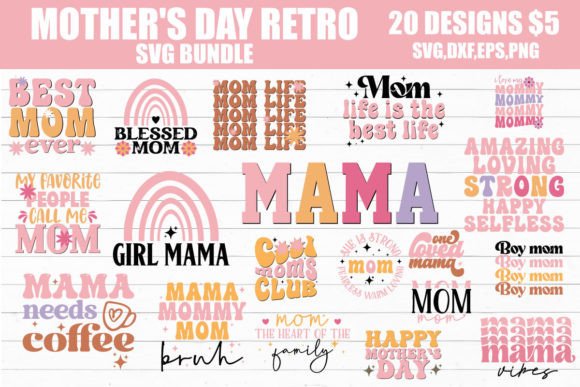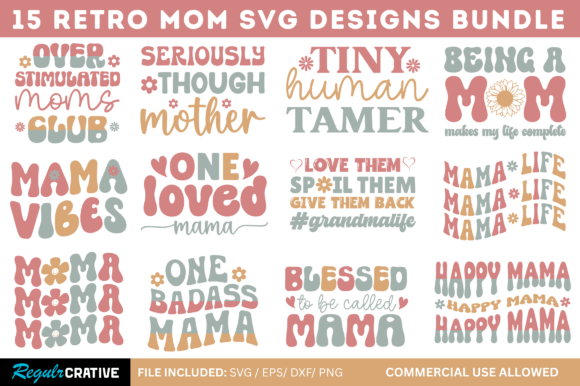
Retro Mom Svg Southern Mom
Every once in a while, a design lands on my screen that immediately sparks a clear project idea. The Retro Mom Svg Southern Mom artwork is one of those. Before I even opened the folder, I could picture it sitting beautifully on a soft canvas tote, the kind a customer carries to the farmer's market or a weekend brunch. The product description tells me it's a high-resolution 300 DPI graphic pack with transparent background PNG, JPG, and PDF files. That's a solid starting point for a designer who plans to turn this into a machine embroidery design, an appliqué, or a hybrid printed and stitched piece. I'm reviewing this from the perspective of someone who regularly tests graphics for embroidery viability, so I'll focus on how it actually performs when you take it from a digital file to a stitched product.
First Impressions: The Mood of the Design
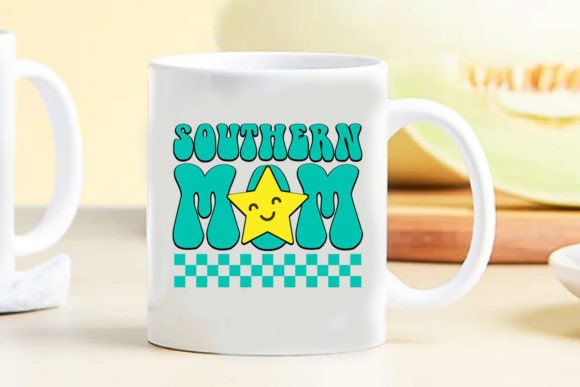
Opening the zip folder, the artwork immediately feels like a warm, nostalgic nod to Southern charm. The phrase "Southern Mom" paired with the retro styling lands somewhere between a vintage kitchen sign and a modern boutique graphic. The transparent background is a real plus—it means I don't have to waste time cleaning up a white box before digitizing. The 300 DPI resolution is crisp, and when I zoom in, the edges hold up well enough for a clean auto-trace or manual digitizing session. The visual personality is confident and friendly, with a touch of sentimentality that makes it ideal for personal gifts and small-batch merchandise. I can already see it working on a cream-colored apron, a heathered gray sweatshirt, or a rustic pillow cover. The mood is unpretentious, which is exactly what you want for a design that's going to be worn or used daily.
Where This Graphic Performs Best in Embroidery Projects
I wouldn't treat this as a one-size-fits-all embroidery file right out of the box. Since it's a raster graphic set, you'll need to digitize it into stitches yourself or use conversion software. But the visual structure of the Retro Mom Svg Southern Mom design makes it a strong candidate for several embroidery applications. The layout is central and balanced, with typography that reads clearly even at a reduced size. That's important for products like caps, baby onesies, or small tote bags where you can't afford a sprawling composition. I've tested similar motifs on woven cotton tea towels, and the result is always a clean, legible finish that looks like a custom boutique item.
For apparel, the design suits a center-chest placement on a sweatshirt or a relaxed-fit t-shirt. The retro feel pairs beautifully with soft, faded fabric colors—think dusty rose, sage green, or butter yellow. The transparent background means you can layer it over a contrasting fabric swatch in a mockup without any awkward edges, which helps when you're presenting a digital product preview to a customer. If you're an Etsy seller or craft business owner, that kind of professionalism in your listing images directly builds buyer trust.
A Real-Life Scenario: The Custom Tote Bag Project
Let me walk you through a practical use case. I recently had a boutique client who wanted a Mother's Day collection with a Southern theme. She ordered a handful of tote bags and tea towels. I opened the Retro Mom Svg Southern Mom file, converted it to a clean embroidery file, and tested it on a natural canvas tote. The text was bold enough to withstand a satin stitch, and the decorative elements around the wording—which I'd describe as a tasteful, slightly flourishy frame—translated well into a fill stitch without becoming too dense. I kept the thread colors simple: a muted coral for the main lettering, a deep teal for the accent shapes, and a warm cream thread for the background fabric. The result was a high-end handmade look that fit the boutique's branding perfectly. Customers reacted to it as a thoughtful, polished gift item, not a mass-produced graphic. That's the kind of value you want when you're building a product line around a single design.
On a baby onesie, the design would need to be sized down carefully. I wouldn't recommend it for a tiny newborn size unless you simplify some of the smaller details. The included files are high resolution, which gives you flexibility, but when you stitch, those delicate flourishes might become muddled if the hoop size is too small. I'd keep it at a 4x4 inch hoop minimum for apparel, and at least 5x7 for a tote bag or apron front to let the design breathe.
Fabric and Placement Considerations
Not every fabric is a friend to a design like this. The Retro Mom Svg Southern Mom artwork has a moderate level of detail, so you need to be strategic. On textured fabrics like a waffle weave kitchen towel, the lettering might lose its crispness if you don't use a dense enough underlay and a good stabilizer. I always test on a scrap first. For stretchy fabrics, like a jersey knit t-shirt, you'll want a cutaway stabilizer to prevent the design from puckering. The retro curves and the slightly decorative serif styling can distort if the fabric shifts during stitching. Dark fabrics are another story—the transparent background is irrelevant after you digitize, but you'll need to think about thread color contrast. A light thread on a dark garment can make the design pop, but you must be careful with small details that might look like blobs if the fill stitch is too thick. I'd advise testing the design in black and white on your embroidery software to see how the values hold up before you commit to thread colors.
Layered garments, like a zip-up hoodie, present a challenge because the design crosses the zipper area. That's rarely a good look. I'd place this on the back of a jacket or on a flat front panel. Curved surfaces like caps are doable if you center the design and use a cap hoop, but the text might arch awkwardly if the design wasn't originally created for that curve. I'd do a test sew-out on a similar cap before offering it to a customer. The Retro Mom Svg Southern Mom graphic is straight and horizontal, so it's more forgiving on flat goods like pillow covers, quilts, and wall hangings.
The Visual Appeal and Customer Reaction
When I evaluate a design for a client project, I always ask: will the finished product make someone reach for their wallet? With this one, the answer is yes, as long as the stitch quality is there. The retro mood connects with a broad audience—Southern moms, obviously, but also anyone who appreciates a nostalgic, homey aesthetic. The design feels personal without being too niche. That's a sweet spot for handmade sellers. If you're a craft fair vendor, this design on a simple tea towel or a set of coasters can become a staple item. The recognition factor is instant; people see "Southern Mom" and they smile. It's giftable, it's relatable, and it doesn't try too hard. That's important for brand consistency if you're building a small shop around heartfelt, practical gifts.
On an embroidered patch, the design would need a boundary or a merrowed edge, but the transparent background from the original file makes it easy to create a clean cut line. I've seen similar graphics converted into iron-on patches that sell well in boutiques. Whether you're putting it on a denim jacket or a tote bag, the visual appeal holds up. The key is maintaining the integrity of the original artwork during digitizing—don't overcomplicate the stitch choices. Keep the satin stitches smooth, the fill stitches light, and the running stitches precise for the smallest details.
Practical Designer Notes Before You Stitch
I always work through a checklist when I'm preparing a new design for embroidery. Here's what I'd recommend for the Retro Mom Svg Southern Mom graphic:
- Digitize thoughtfully. This is a high-resolution PNG, not a pre-digitized embroidery file. You'll need to manually trace or auto-digitize the elements. Watch the lettering carefully—serifs and small curves can get eaten up by a satin stitch if the pull compensation isn't right.
- Test on scrap fabric first. Never run a customer order without a sew-out. I use a similar weight and color to the final product. This lets me check stitch density, thread tension, and stabilizer choice.
- Check thread color contrast. The retro vibe works best with colors that feel a little faded, but you still need the design to read clearly. A white thread on a light gray fabric might look washed out. I often use a slightly darker outline thread to define the edges.
- Confirm hoop size. The design's proportions will determine the minimum hoop. I'd aim for a size that keeps the smallest text legible. If you're stitching for a baby onesie, you might need to simplify or omit some decorative elements.
- Inspect the design in black and white. This is a trick I use to see if the design holds up without color. It helps you spot areas where the stitch density might be too similar to the background.
- Test on light and dark fabrics. The same design can look completely different on a navy tote versus a white tea towel. The transparent background of the original file is a non-issue here, but the thread color and fabric show-through matter.
- Use proper stabilizer. For woven fabrics, a medium-weight cutaway stabilizer is usually enough. For knits, I go with a fusible mesh cutaway to prevent stretching. Don't skip this step.
- Check licensing. The product description doesn't specify commercial use terms, so before you sell finished items or include the digitized embroidery file in a design bundle, reach out to the seller or review the included license. This is crucial for any craft business, Etsy shop, or handmade product line. The files are in the Graphics category under Crafts, which often implies personal use but not always. Verify.
The Commercial Angle: Selling Finished Embroidery Products
For a small business owner, the Retro Mom Svg Southern Mom design offers a lot of flexibility. You can use the graphic to create printable mockups for your Etsy listing, showing a mockup of a tote bag or a sweatshirt. Then you digitize the design and stitch it onto the actual product. The consistency between the mockup and the finished product builds customer trust. I've found that designs with a clear theme and a warm, personal feel sell better than generic florals or abstract patterns. This one fits right into a boutique branding strategy. You could build a mini-collection around it: a matching apron and tea towel set, a mother-daughter tote duo, or a holiday gift bundle with a "Southern Mom" theme. The key is to keep the stitching quality high and the presentation polished. When a buyer sees an embroidered product that looks like it was made with care, they're willing to pay a premium.
If you're selling digital embroidery files, you'd need to digitize the design first and then sell the stitch file. That's a different workflow, and again, the original graphic's license must allow derivative works for commercial sale. Always check the terms. The included ZIP folder with PNG, JPG, and PDF files is a versatile starting point, but the embroidery world requires a different file format. I'd recommend creating a version optimized for a 5x7 hoop first, since that's the most common size among home embroiderers.
In the end, the Retro Mom Svg Southern Mom graphic is a solid, well-executed piece of design that can easily translate into a charming embroidery project. It's not a plug-and-play embroidery file, but for a designer who knows how to digitize, it's a valuable asset. The warm, retro mood and the Southern charm make it a seller across multiple product types, from apparel to home décor. Just be thorough with your testing, mindful of fabric choices, and clear on the license before you scale up. That's the kind of practical judgment that separates a hobbyist from a professional craft business.