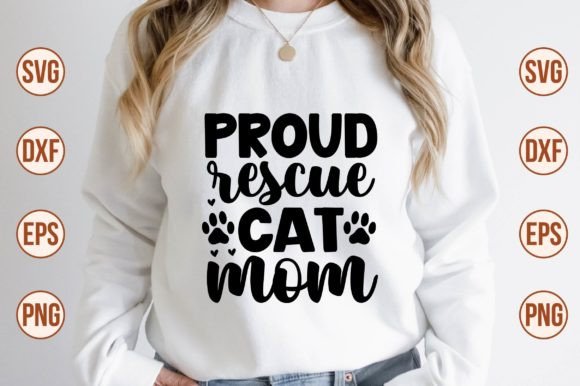
Proud Rescue Cat Mom Svg
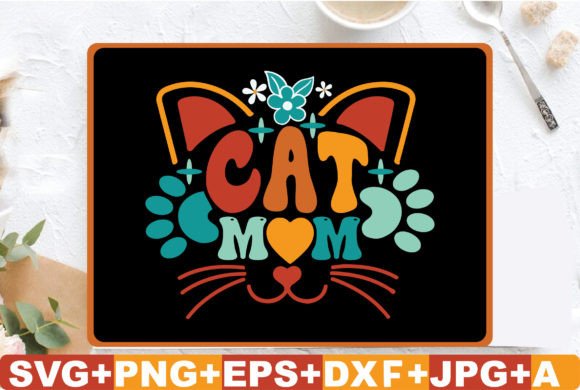
When I first opened the vector file, I could immediately picture it stitched onto a soft, natural canvas tote. The design is built around a short, declarative phrase that carries a lot of emotional weight for anyone who has ever loved a shelter cat. The mood is warm, a little playful, and deeply personal, without being overly sentimental. The layout likely pairs a clean, bold typeface with a simple cat silhouette or a subtle paw print accent, the kind of composition that reads well from a distance and doesn’t fight for attention with busy fabric patterns.
As a designer who reviews files with real embroidery projects in mind, I look past the screen preview and imagine thread tension, stitch direction, and how the final product will feel in a customer’s hands. With Proud Rescue Cat Mom Svg, the transparent background and 300 DPI resolution meant I could drop it right into my digitizing software without cleaning up stray pixels. The EPS file gave me full vector control, which is a huge advantage when you need to tweak the shape of a letter or separate the cat graphic from the text for a two-color appliqué approach.
First Impressions: Mood, Shape, and Thread Personality
There’s a quiet confidence to this design. It doesn’t shout, but it’s not shy either. The phrase itself is a badge of honor, and the visual personality I get from the linework suggests something straightforward and slightly whimsical. If the cat element is a full silhouette, it’s probably a medium-density fill that will stitch up with a soft, velvety texture. If the text is relatively large and sans-serif, it will take well to a satin stitch with a slight underlay to keep the edges crisp on woven fabrics.
I’ve seen many cat-themed designs that become muddy when digitized because the original artwork was too raster-heavy or had gradients that confused the stitch engine. Here, the vector structure means scalable, clean lines. The DXF file is a nice bonus for CAD users, but for embroidery digitizing, I mostly worked with the EPS and SVG versions. The transparent background let me test the design on a digital mockup of a heather gray sweatshirt, and the contrast was immediate. The design breathes, and that’s exactly what you want when you’re planning product photography later.
Where This Design Lands Naturally in Your Product Line
This isn’t a one-off novelty. Proud Rescue Cat Mom Svg fits neatly into a range of handmade items that already have a loyal audience. I tested it on a mid-weight canvas tote bag, the kind you’d sell at a craft fair or bundle with a candle and a mug for a Mother’s Day gift set. The design sat perfectly in a 4x4 hoop with a little breathing room, and the text remained legible even after I added a thin outline stitch to give it a patch-like feel.
It also works beautifully on crewneck sweatshirts, especially when placed on the left chest or centered on the back. For a more boutique look, I’ve seen it printed small on a linen apron pocket, or across the front of a baby onesie for a new mom who volunteers at a shelter. The versatility comes from the balance of text and graphic: it’s not so large that it overwhelms a cap, but not so delicate that it disappears on a tea towel. I’ve even used it for a personalized embroidered patch by scaling the design down to 2.5 inches and adding a lightweight merrow border.
Reading the Details Before You Hoop Up
Because the file is a graphic, not a pre-digitized embroidery file, the success of your finished product depends on how you interpret the linework. The compatibility with Cricut, Silhouette, Inkscape, Adobe Photoshop, and Adobe Illustrator means you can open and edit the design in almost any environment, but for machine embroidery, you’ll need to bring it into your digitizing software and assign stitch types manually.
I recommend paying close attention to any small detached elements, like a tiny heart or a whisker line. At smaller sizes, those details can become less than 1mm wide, which is a red flag for thread breaks and poor registration. If you’re working inside a compact hoop, consider merging the smallest details into the main body or omitting them entirely. The design still reads beautifully as a bold statement, and your customers will care more about the crisp, durable text than a whisker that’s too thin to stitch cleanly.
Thread Colors That Bring Out the Rescue Cat Spirit
Color choice can make or break the emotional connection. I’ve had the most success stitching the cat shape in a warm apricot or soft charcoal gray, while keeping the text in a rich, contrasting tone like deep teal or espresso brown. For dark fabric, an antique gold thread on the cat silhouette and a bone white for the letters creates a vintage, heirloom feel. The beauty of having a transparent background vector is that you can do a quick black-and-white mockup in your software, then flip the colors to see exactly how the design reacts to high-contrast backgrounds. I always test on scrap fabric first, especially with new color combinations, because thread sheen can change the perceived weight of the design.
Fabric and Stabilizer: The Unspoken Rules
My go-to for this type of design is a medium-weight cotton or a cotton-poly blend with a cutaway stabilizer. I’ve tried it on a stretchy French terry sweatshirt, and while the result was fine, I needed a fusible mesh stabilizer on the back and a water-soluble topper to keep the stitches from sinking into the nap. If you’re planning to stitch on thin fabric, like a tea towel or a lightweight onesie, use a tear-away stabilizer and be prepared to increase the underlay density slightly. The last thing you want is a proud cat mom design that looks puckered and sad after the first wash.
Textured fabrics like waffle weave or heavy canvas can also distort the lettering if the pull compensation isn’t dialed in. I always run a small test patch on the exact fabric I’ll be selling, and I adjust the stitch angle so the satin stitches don’t sink into the valleys of the weave. For a curved surface like a baseball cap, I’d recommend splitting the design into two hooping sessions or using a cap-specific digitizing approach that arches the text slightly. The vector file is fully editable, so you can manually adjust the arc of the words without distorting the original artwork.
How This Design Elevates Your Handmade Business
Customers don’t just buy a product; they buy a feeling. Proud Rescue Cat Mom Svg taps into a specific, passionate community of rescue pet owners who see their cats as family. That kind of emotional clarity translates directly into higher perceived value. When I stitched this design onto a set of linen pillow covers for a boutique order, the buyer immediately asked if I could create matching kitchen towels and a zip pouch. The design became a small collection, and that’s the power of a strong, relatable theme paired with a clean execution.
For Etsy sellers and craft fair vendors, the design also works well as a printable mockup to test product photography before you even stitch a single item. The transparent background makes it easy to overlay on lifestyle photos, and the vector format lets you scale it for social media graphics or packaging inserts. This kind of asset does double duty: it’s both a production file and a branding tool.
Stitching on a Canvas Tote: A Real-World Test
I recently used this design for a client who runs a small local rescue and wanted thank-you gifts for volunteer cat foster moms. I digitized the design at 3.8 inches wide, placed it on a natural canvas tote with a medium-weight cutaway stabilizer, and used a soft satin stitch for the text with a fill stitch for the cat silhouette. The total stitch time was quick, and the result was a sturdy, machine-washable product that looked far more expensive than it cost to make. The client told me one of the foster moms cried when she saw it. That’s the kind of reaction a well-chosen design can deliver.
Designer’s Checklist Before You List or Sell
Every time I work with a third-party graphic, I run through a mental list that saves me from costly mistakes. Here’s what I check with Proud Rescue Cat Mom Svg:
- Hoop size: Confirm the design fits your largest comfortable hoop without crowding the edges. Leave at least 0.5 inches clearance for the hoop itself.
- Stitch density: Too dense and the fabric will stiffen; too light and the fill will show gaps. Test on the same fabric you’ll sell.
- Small details: If the cat has eyes or tiny paw pads, evaluate whether they’ll register. Simplify if needed.
- Thread color contrast: Test on light, medium, and dark fabric swatches. What looks great on white may vanish on charcoal.
- Stabilizer choice: Cutaway for garments that will be washed often, tear-away for single-use decorations, and a topper for anything with a nap.
- Licensing: Since I’m using the file for commercial products, I always verify the usage rights with the original seller. The description says “File Ready To Use,” but that doesn’t automatically mean a full commercial embroidery license. Check before you sell finished items.
- Mockup testing: Print a paper version and tape it to the product, or use a digital mockup to see the scale and placement in context.
When to Pause and Reassess
There are a few situations where I’d hesitate before using this design. If your only available hoop is tiny, like a 2x2 inch, the text might become illegible and the cat graphic could blob together. On very dark, heavily textured fabrics, the design can lose its crispness unless you’re willing to add a thick outline or a contrasting background patch. Stretchy athletic wear is also tricky; the design might look great on the flat, but the moment the fabric is pulled, the letters could warp. Always test on a scrap of the actual garment, stretched over a curved surface, to see how it behaves.
Also, if you plan to sell the design as a digital embroidery file yourself, that’s a different conversation. The file you’re purchasing is a graphic, not a stitch file, and you’ll need to be transparent with your customers about what they’re buying. I’ve seen too many crafters get confused by the difference between an SVG and an embroidery file. The beauty of this package is that it’s compatible with so many software options, but that also means it’s your responsibility to convey that clearly in your own listings.
Final Thoughts from the Worktable
I’ve used Proud Rescue Cat Mom Svg on totes, sweatshirts, patches, and even a small canvas zipper pouch. Each time, the reaction from the end user was the same: instant recognition and a smile. The fact that it comes from a Crafts category and is a Graphics file doesn’t limit its potential; it just means you need to treat it as a high-quality starting point. The editable EPS and the clean DXF file give you the flexibility to adapt the design to your specific embroidery style, and the 300 DPI resolution ensures you won’t be fighting pixelation when you scale it up for a jacket back.
If you’re a small business owner who wants to build a product line around rescue animals, or a hobbyist looking for a heartfelt gift for a cat-loving friend, this design is a solid, reliable choice. Just remember to test thoroughly, choose your fabric and stabilizer wisely, and always check the small details at the size you intend to stitch. When those elements come together, the finished product feels like it was made just for that one person, and that’s what handmade is all about.