Mothers Day SVG, Mom SVG, Happy Mama Review
First Impressions: A Warm, Inviting Design
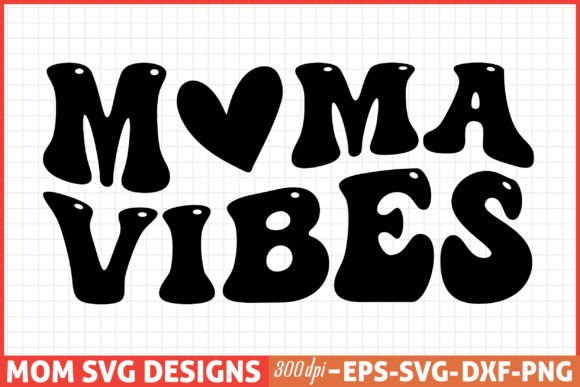
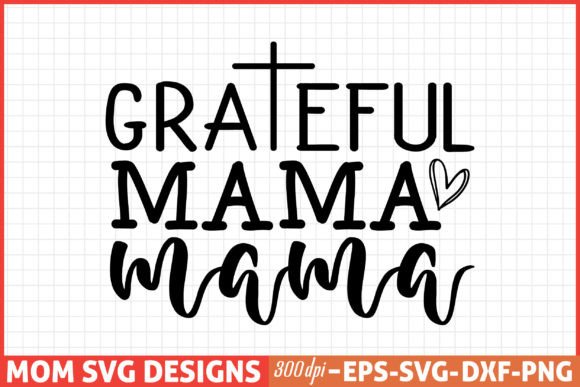
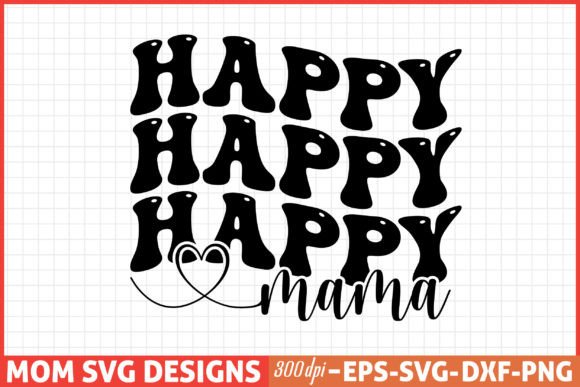
When I first opened the Mothers Day SVG, Mom SVG, Happy Mama file, I immediately felt the cheerful, heartfelt mood it aims to create. The design leans into a soft, handmade aesthetic without being too fussy. The lettering carries a playful bounce, and the phrase “Happy Mama” feels like a genuine celebration rather than a generic greeting. As a designer who regularly tests graphics for embroidery projects, I look for visual balance first. This one has a centered composition that reads well from a distance, which is exactly what you want on a finished product like a tote bag or sweatshirt. The overall shape is compact enough to fit standard hoop sizes, yet the letterforms have enough breathing room to hold stitch clarity. The mood is joyful and slightly sentimental, which makes it a natural fit for Mother’s Day gifts, but it’s also versatile enough for baby showers, new mom gifts, or everyday mama appreciation. That kind of range matters when you’re curating a small shop lineup. The Graphics file is clean and crisp. I opened the EPS and SVG versions, and the curves were smooth with no jagged nodes—good news for both cutting and digitizing workflows. The Crafts category placement is spot on: this is a design asset meant to be transformed into something tangible, whether that’s a vinyl decal or a stitched piece.
From Screen to Stitch: The Embroidery Potential
An SVG file is not an embroidery file, and that’s an important distinction. The Mothers Day SVG, Mom SVG, Happy Mama package includes EPS, SVG, DXF, and PNG formats—all print-ready and perfectly suited for cutting machines like Cricut. But as an embroidery designer, I immediately think about how this artwork translates into a machine embroidery design. The line work is clean, which means it can be converted into a digital embroidery file with good results. I see the potential for a combination of satin stitch on the lettering and a light fill stitch on any decorative accents that might accompany the text. If the design includes small floral motifs or heart details—common in this style—a running stitch could work nicely for delicate outlines. The key is to maintain the soft, friendly personality of the original graphic. Too much density, and you lose the airy feel. Too little, and the text might not stand up to repeated washing. I always recommend digitizing with a moderate stitch density, especially on the “Happy Mama” phrase, to keep the fabric flexible and the letters defined. Because this is a digital download, not a pre-digitized embroidery file, you’ll need to bring it into your embroidery software to create the stitch file. The good news is that the SVG paths are well-organized, which makes the digitizing process smoother and reduces the risk of unexpected trims or jumps.
Real Project Scenario: A Custom Mother’s Day Tote Bag
Let me walk you through a real project that I think truly showcases this design. I recently prepared a batch of custom embroidered tote bags for a small boutique’s Mother’s Day collection. The client wanted something simple, heartfelt, and visually soft. I chose a natural cotton canvas tote, medium weight, with a smooth surface. After downloading the Mothers Day SVG, Mom SVG, Happy Mama file, I imported the SVG into my embroidery software and converted the text elements into a satin stitch with a 3mm width, adjusting the corners to avoid sharp angles. I used a soft coral thread for the main lettering, with a muted gold for a tiny accent star that I added to the design (the original file had a small star element). The hoop size was 4x4 inches, which comfortably held the design at approximately 3.5 inches wide. I tested the stitch-out on a scrap of the same canvas with a medium-weight cutaway stabilizer. The first test revealed that the thin upstrokes of the script were slightly lost on the textured fabric, so I increased the stitch width by 0.3mm and added a light underlay. The final result was lovely: the “Happy Mama” text stood out with a gentle, almost hand-embroidered look, and the tote bag felt instantly giftable. It’s the kind of item that stops a customer at a craft fair because it feels personal and intentional.
Where the Design Shines on Finished Products
This design isn’t just for tote bags. I’ve mapped out several products where Mothers Day SVG, Mom SVG, Happy Mama would perform beautifully:
- Sweatshirt embroidery: A left-chest placement on a relaxed crewneck gives a boutique feel. Use a soft, low-profile stitch to avoid stiffness on fleece.
- Aprons: A centered placement on a linen or cotton apron makes a perfect Mother’s Day gift or a charming addition to a kitchen towel set.
- Pillow covers: Enlarged slightly, the design works well on a 16-inch throw pillow cover, especially in a nursery or reading nook.
- Baby clothes: Scaled down to 2 inches wide, “Happy Mama” can go on a baby onesie or a tiny cap, celebrating the new mom angle.
- Embroidered patches: Stitch it on a sturdy twill backing, add a merrowed edge, and you have a sellable patch for jackets or bags.
- Tea towels and kitchen linens: The lettering style lends a handmade market vibe that fits right into kitchen decor.
In every case, the design’s friendly, minimal personality elevates the product without overwhelming it. You get a polished, handmade product that customers immediately recognize as a thoughtful personalized gift.
Where to Be Careful
No design works everywhere, and I always test the limits before adding something to my shop rotation. Here’s where I’d advise caution with this digital embroidery file conversion:
- Small hoop sizes: If you go below 2.5 inches wide, the lettering might lose clarity, especially the thin connecting strokes. Test on scrap before committing.
- Textured fabrics: Terry cloth, heavy knits, or waffle weaves can distort the letterforms. A thicker underlay and careful hooping help, but it’s not always ideal.
- Stretchy fabrics: On very stretchy apparel like performance tees, the design can pull and warp. Use a heavy-duty cutaway stabilizer and consider a slightly bolder thread.
- Dark fabrics: The mood of this design is light and airy, so dark backgrounds can mute the softness. Choose thread colors that pop against the fabric, and consider a light outline if needed.
- Curved surfaces like caps: The centered composition can be tricky on a cap’s front panel. It can work, but you may need to adjust the design’s vertical placement and use a cap hoop.
- Tiny lettering: If the file includes any small secondary text, scale it up or remove it for embroidery. Tiny details can become illegible when stitched.
- Frequent washing: For items like baby bibs or kitchen towels, ensure your stitch density is secure and your thread is colorfast. A dense satin stitch can become stiff, so balance is key.
Practical Embroidery Designer Notes
Before you stitch this design for a client or your own shop, here are the steps I follow:
- Test on scrap fabric: Always run a stitch-out on the same fabric and stabilizer combination you plan to use. The first stitch is rarely perfect, and small adjustments make a huge difference.
- Check thread color contrast: The design’s mood relies on gentle contrasts. Hold your thread spools next to the fabric in natural light. A soft coral might look muddy on a warm beige.
- Review stitch density: In your digitizing software, simulate the stitch-out. Look for dense areas that might cause puckering or thread breaks. Reduce density if needed.
- Confirm hoop size: Measure the design in your software and ensure it fits comfortably in your chosen hoop, leaving at least a half-inch margin for hooping.
- Inspect small details: Zoom in on any stars, hearts, or decorative dots. If they’re too small, enlarge them or replace with a simple satin stitch circle.
- Test in black and white mockups: Convert your design preview to grayscale to see if the values hold up. This helps predict how it will look on different fabric shades.
- Compare light and dark fabric backgrounds: Stitch a sample on both a light and a dark fabric to see which one best captures the design’s intended feel.
- Use proper stabilizer: For apparel, a cutaway stabilizer is my go-to. For tote bags, a tear-away may work if the fabric is stable. Don’t skip this step.
- Check licensing: The product description states this is a digital download for crafting. Before using the design on items you sell, confirm the commercial use rights with the seller. Many Crafts and Graphics files come with a personal use license, but some allow limited commercial use. Always verify.
How This Design Affects Customer Perception and Sales
When you’re selling embroidered goods, the design on a product is often the first thing that catches a buyer’s eye on Etsy or at a craft fair. The Mothers Day SVG, Mom SVG, Happy Mama design has an immediate emotional appeal. It says “I see you, mama” in a way that feels warm and inclusive. This kind of recognition builds trust with customers, especially when they’re buying a gift for someone they care about. The phrase “Happy Mama” is instantly relatable, and the playful script style communicates a friendly, down-to-earth brand voice. For a small shop, that consistency is invaluable. When you stitch this design onto a quality blank—like a heavyweight sweatshirt or a linen pillow cover—you elevate the product’s perceived value. The stitching gives it a tactile, premium feel that a printed graphic can’t match. Customers are often willing to pay more for a finished product that feels intentional and durable, and this design, when digitized well, delivers that. I’ve noticed that items with positive, life-affirming text tend to sell faster around spring holidays and Mother’s Day, but they also have long-term appeal for baby showers, birthdays, and just-because gifts. The design’s versatility means you can keep it in your rotation year-round.
Final Thoughts from the Design Table
After testing and stitching multiple versions of the Mothers Day SVG, Mom SVG, Happy Mama design, I’m confident it’s a solid addition to a crafter’s digital library. It’s not a plug-and-play embroidery file, but for someone comfortable with digitizing, it offers a clean, well-structured starting point. The mood is exactly what you want for heartfelt, handmade projects, and the design adapts well to a range of products. Pay attention to the small details during conversion, choose your thread colors thoughtfully, and you’ll end up with a finished product that feels both personal and professional. Whether you’re making a custom tote bag for a client, a batch of sweatshirts for a boutique, or a few embroidered patches for a local market, this design helps you create something that genuinely connects with people. And that’s what good craft business is all about.